History of Buddhism
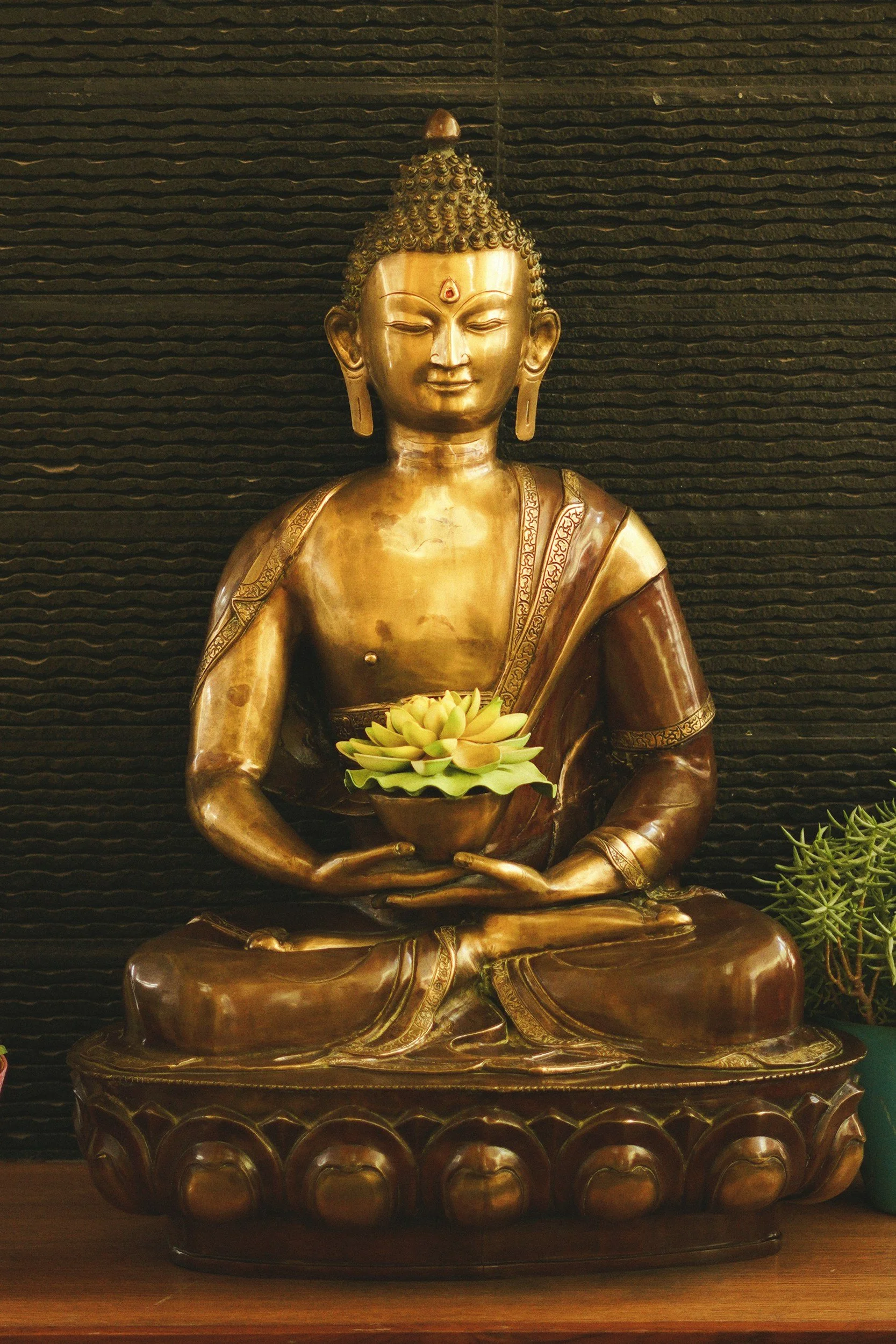
Overview of the Different Types of Buddhism
Theravada (way of the elders)
Primarily based on the Pali Cannon
Focus on:
1. Ethical conduct
2. Disciplined monastic life (precepts)
3. Gradual cultivation of wisdom through meditation
Lay people support monasteries. They follow the five precepts: killing, stealing, sexual misconduct, lying and intoxication. Not so much meditation.
Mahayana
This movement brought on the Buddhas and Bodhisattvas. It reimagined doctrines such as emtiness and compassion.
They also brought on forms of chanting, visualization, and merit making which helped the movement spread among householders. Traveling merchants – many devoted to Avalokiteshvara (both male and female) the bodhisattva of compassion.
New practices were developed, such as Zen, Pure Land, Zen and Vajrayana traditions. These emphasized emptiness, innate buddha nature present in all beings. The aspiration to awaken for the sake of others, is called bodhicitta.
Now bodhisattvas are not just a buddha in search of enlightenment but now anyone is encouraged to become enlighten or realize their enlightenment.
Gradually, women (like Tara, Prajnaparamita) were more and more include into Mahayana art.
Indian Mahayana scholars commonly taught that buddha has three bodies:
1. Emanation body (nirmanakaya)
2. Enjoyment Boday (sambhogakaya)
3. Truth body (dharmakaya)
Many Mahayana text detail many pure lands.
Madhyamaka philosophy is important interpretation of emptiness
Yogacara school developed detailed explanations of the mind. Yogacara philosophers analyses mental processes to understand suffering.
Buddha-nature is the innate potential for enlightenment present in every being. Not to be acquired from outside but a natural quality to be uncovered. (Mahapariniravana Sutra, 2-3 century).
Mahayana buddha-nature provides a doctrinal basis fof the emphasis on the universality of the bodhisattva path.
Mahayana started off as monastics who could devote their lives to practice, but as Mahayana spread, lay practitioners also embraced it. At the heart of the bodhisattva path is the aspiration to attain enlightenment for benefit of all beings. We cultivate bodhicitta Buddhahood for the sake of others. As a bodhisattva, one is practices not to become a buddha but because one is one already.
Devotional practices often follow the benefit of others:
1. Generating bodhicitta for others
2. For teacher
3. Dedicated practice to all others
Vajrayana
Originated in northern India, spead though out Asia.
Based on the sutras and tantric teachings. Emphasized the power of the mantras and sacred words, and visualization techniques. Also, it includes sexual yogas, charnel ground meditation, venerating wrathful deities, consuming meat and drinking alcohol. Often follow ritual handbooks sadhanas.
Because of some of the unusual practices, a guru is needed to lead in some of these practices. In Vajrayana, some see the guru as enlightened. (I never did).